

Evidence-Based Strategies for Autoimmune Recovery
From 23 years of MS to complete remission - discover the terrain-based approach that addresses root causes, not just symptoms.
THE LATEST tips & tricks

You're Not Broken. You've Been Trying to Solve a Complex Problem Without the Full Picture.
A lady wonders what she is missing in her recovery.
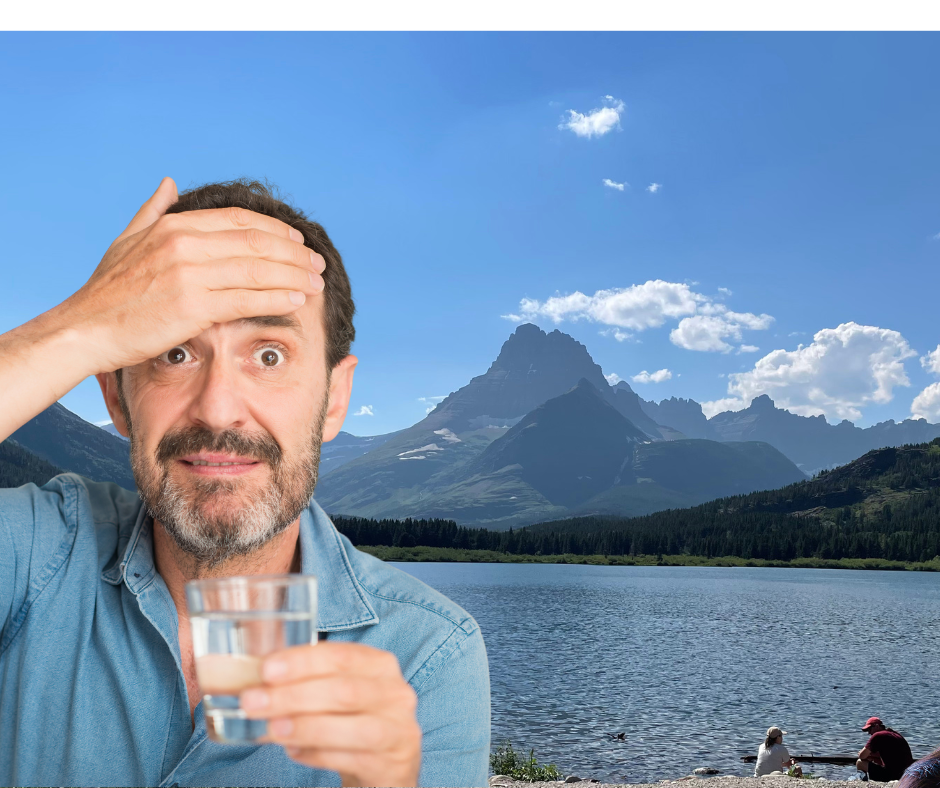
The Water You Drink Every Day Is Shaping Your Terrain — Here's How to Find Out What's In It
If there's one player in the toxin conversation that gets overlooked more than any other, it's the water coming out of your tap. Not the food. Not the skincare. The water. We drink it, we cook with it, we bathe in it — and most of us have never once stopped to ask what's actually in it. Here's what to look for, where to start, and what to do when you find something.
Nobody Talks About the Middle of Recovery
The pathway to recovery is not always easy, but there’s a way… there’s a path. And you don’t have to walk it alone.

Your Blood Work Looks "Fine" — So Why Do You Still Feel Terrible?
If you've ever sat in a doctor's office, staring at lab results that say "normal" while your body screams otherwise — you're not imagining things. And you're definitely not alone.
This is one of the most common experiences I hear from people navigating autoimmune challenges. Your labs come back fine. Maybe more than once. Maybe from more than one doctor. But you know — you know — something isn't right.
I recently had the privilege of sitting down with the hosts of Autoimmune Adventures to talk about this exact disconnect. And what we uncovered in that conversation is something I think every person dealing with unexplained symptoms needs to hear.


What Your Body May Still Be Carrying — And How Terrain Medicine Can Help
Emerging science shows that mRNA COVID-19 vaccines can leave a lasting load in the body — prolonged spike protein, microclots, and immune shifts that standard labs often miss. This post gently explores what’s happening and offers practical, terrain-based support to help your body clear, restore, and build long-term resilience. You don’t have to navigate it alone.
What Your Body May Still Be Carrying — And How Terrain Medicine Can Help
Emerging science shows that mRNA COVID-19 vaccines can leave a lasting load in the body — prolonged spike protein, microclots, and immune shifts that standard labs often miss. This post gently explores what’s happening and offers practical, terrain-based support to help your body clear, restore, and build long-term resilience. You don’t have to navigate it alone.
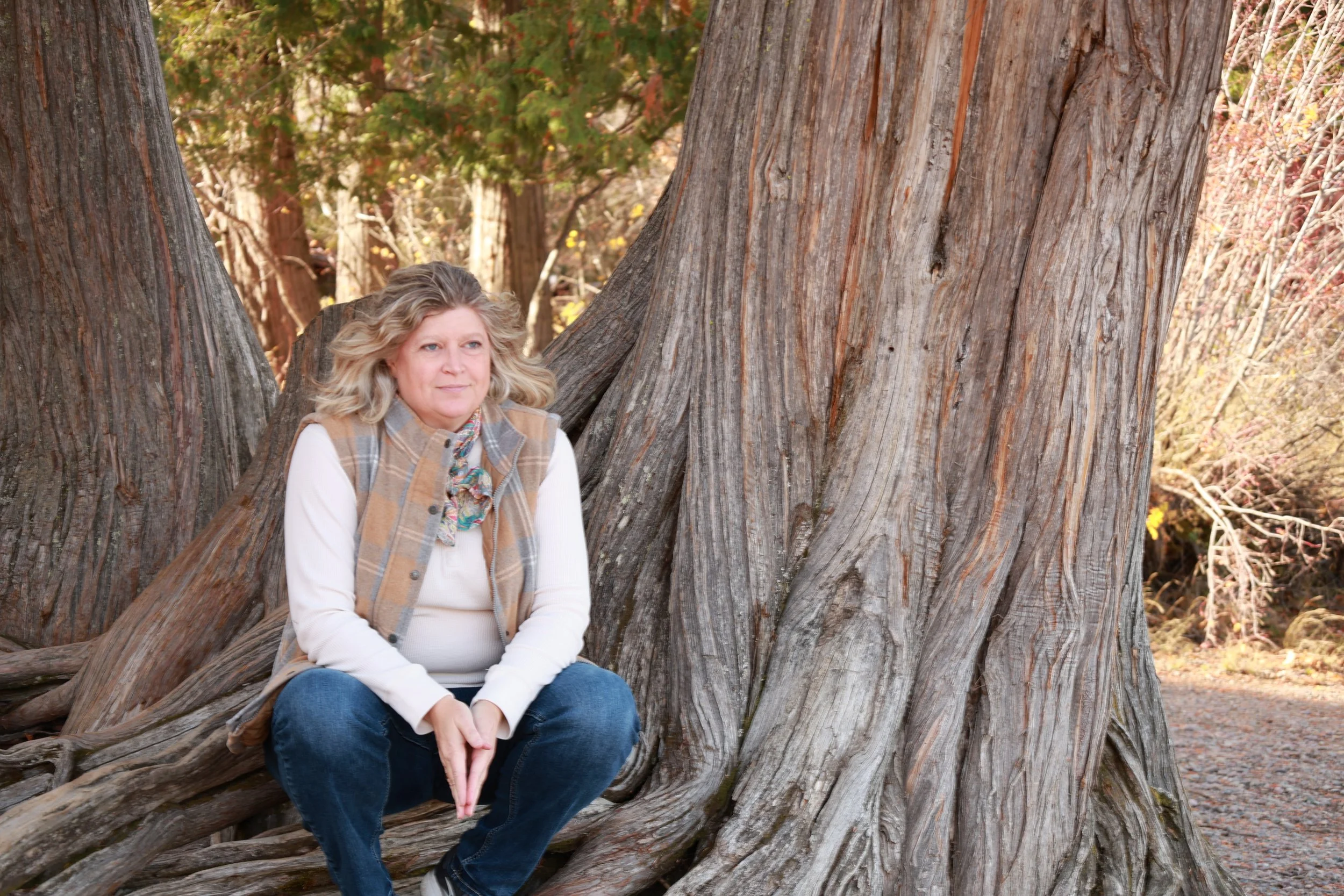
She Thought She'd Already Made It. Then She Found Out What Was Still There.
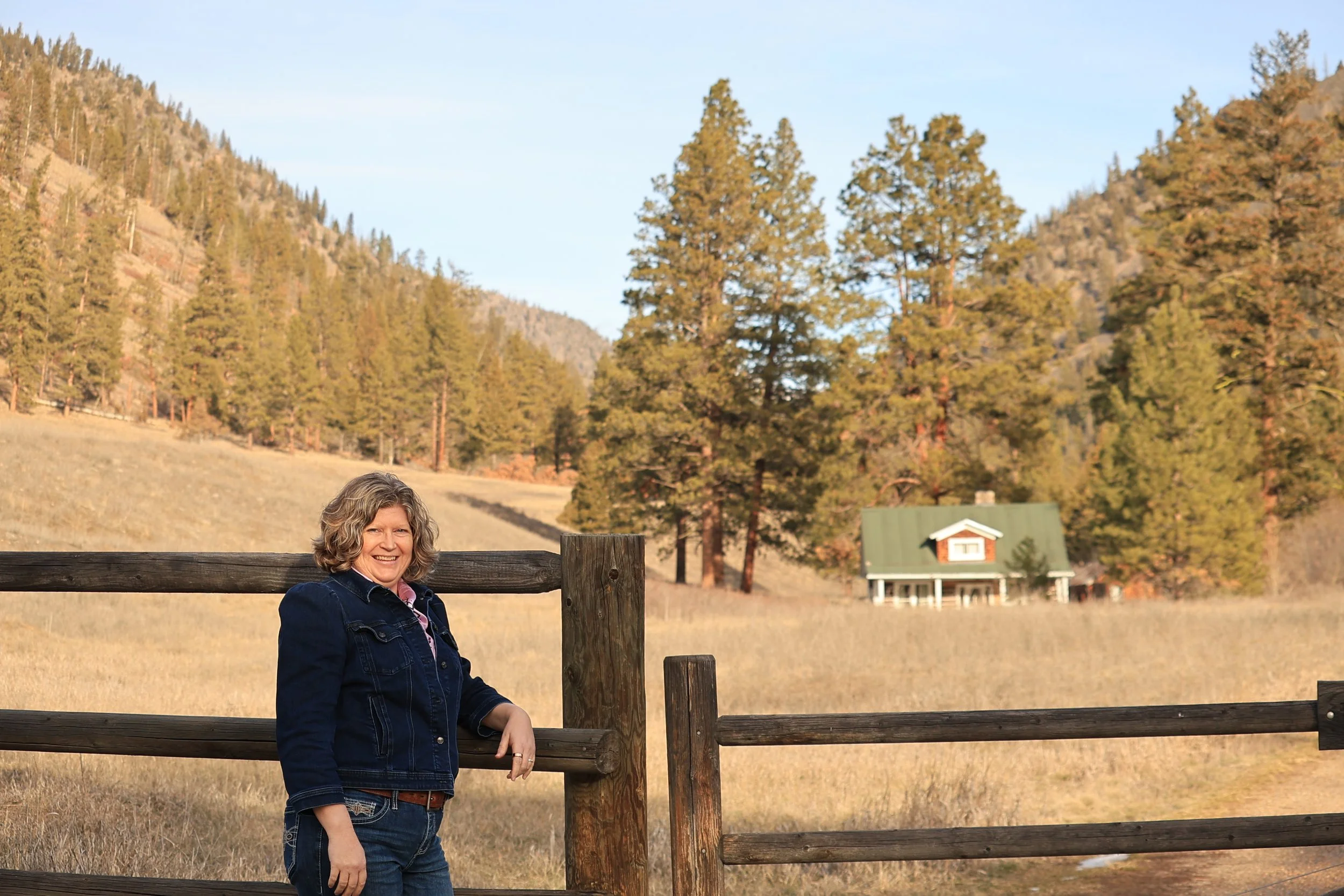
Melissa Rose, Applied Functional Medicine Practitioner, Root Cause Educator, and Terrain-Based Wellness Guide, thinking and reflecting on how she can help more people.
Your Cholesterol Number Isn't the Problem — Here's What Actually Is
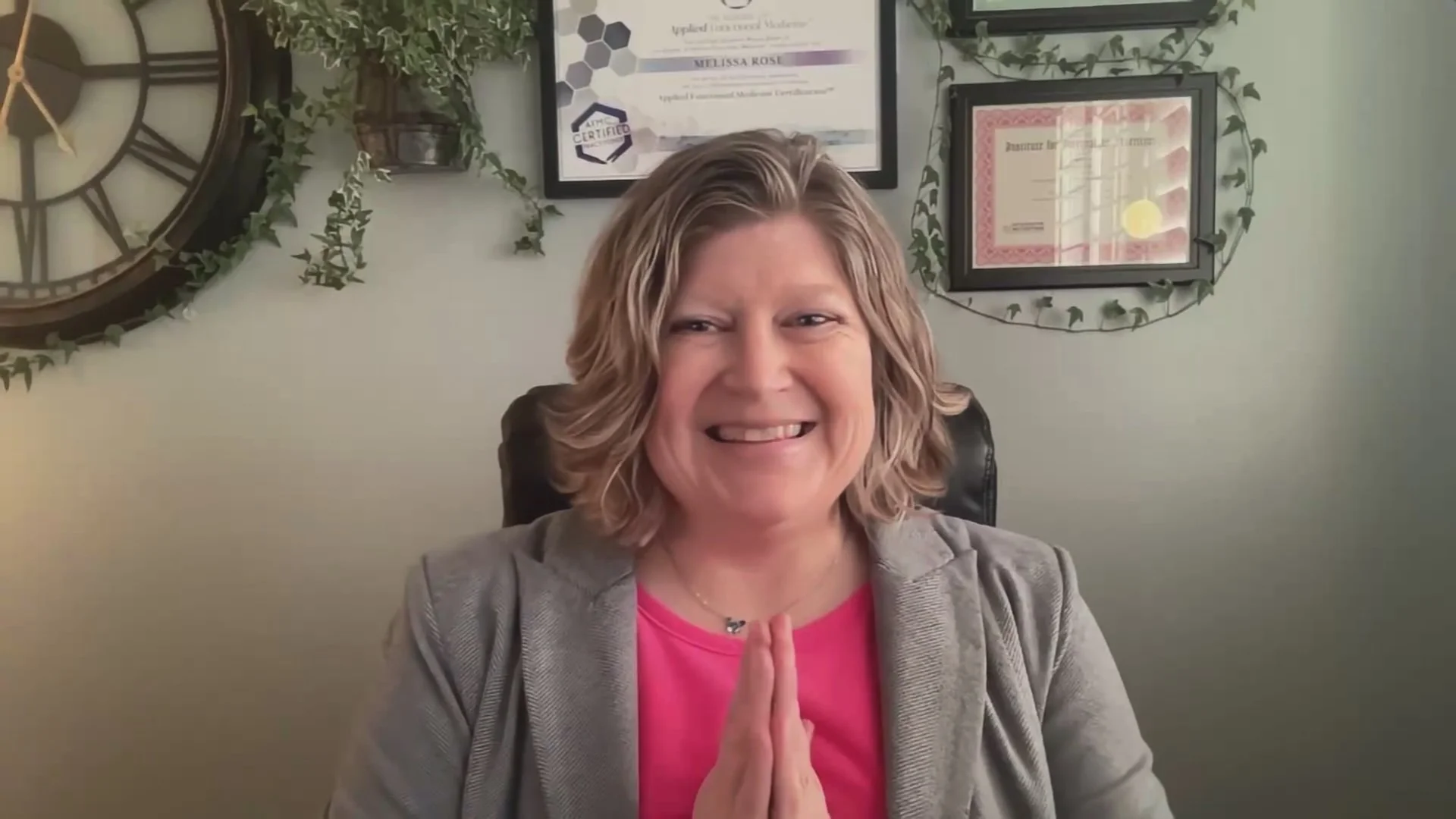
Melissa Rose, AFMP, Terrain-Based Wellness Guide out enjoying the outdoors.
The 15 Minutes That Changed Everything (And What It Has to Do With Your Recovery)
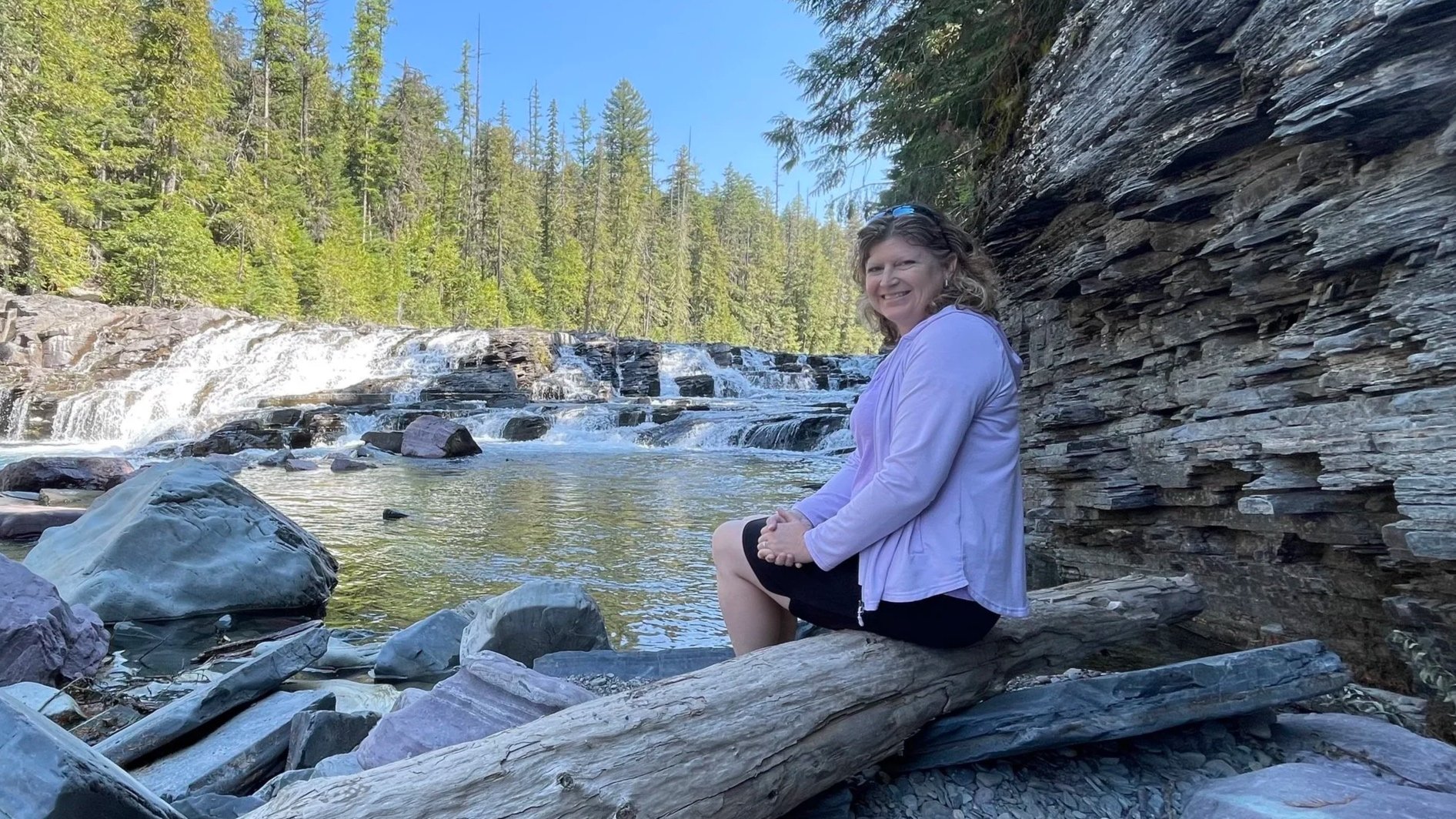
Melissa giving one of many classes on Terrain Theory

She Found a Rage That Wasn’t Hers. And It Changed Everything
A woman with 32 years of MS discovered a rage that wasn't hers — and found her why. Inside: what terrain medicine does when you give it space, and why recovery looks nothing like a straight line.
She's Had MS for 32 Years—Here's What She Knows About Recovery That Your Doctor Doesn't
I had a woman join our VFI group call this week who's had Multiple Sclerosis for 32 years. Want to know what she said? "I am bound and determined to heal myself." Not "manage symptoms." Not "live with it." HEAL myself. And after 32 years with an "incurable" diagnosis, here's what she understands that your doctor probably doesn't: Her body isn't broken.
Brain Fog Isn't Normal: Understanding Neuroinflammation and What Your Body Is Really Telling You
Brain fog isn't "just stress" — and you're not imagining it. When brain fog persists despite doing "all the right things," it's often a symptom of neuroinflammation: your immune system creating antibodies against your own neural tissue. Learn what your brain fog is really telling you, the testing strategy that reveals what conventional labs miss, and the restoration roadmap that's helping people reclaim mental clarity without just managing symptoms for life.

How to Identify Your Food Triggers Before the Holiday Season (So Christmas Dinner Doesn't Derail Your Recovery)
Dreading Christmas dinner because you don't know which foods will trigger your symptoms? You're not alone. Food sensitivities cause delayed immune responses (48-72 hours), making it nearly impossible to identify trigger foods on your own. By the time you're dealing with bloating, joint pain, or brain fog, you've eaten ten other foods since the actual culprit.
But here's what most people don't realize: you don't have to guess. Food sensitivity testing (IgG and IgA antibodies) reveals exactly which foods are driving your inflammation—so you can navigate the holidays confidently instead of spending January recovering.
In this post, we'll cover how food sensitivities work, why testing both IgG and IgA matters, and practical strategies to protect your autoimmune recovery during the holiday season.