
"Don't Panic": What Two Years of Recovery Actually Look Like
His friends called him Superman. Then standing up became something he couldn't take for granted.
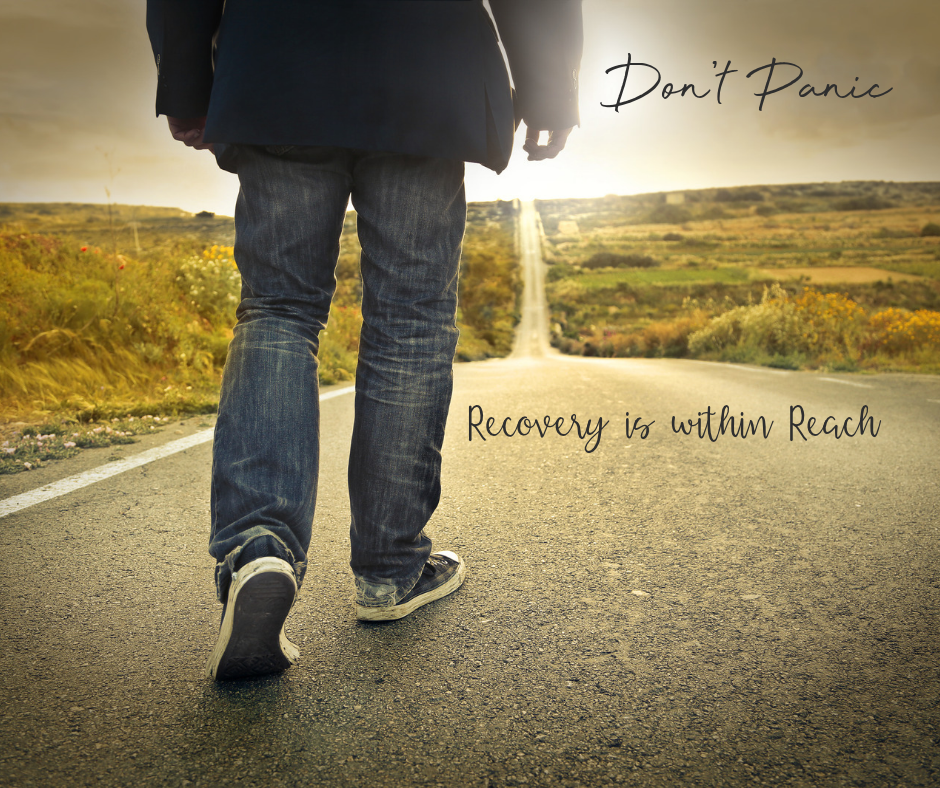
The path to recovery isn’t always easy, but it’s worth it.
Andrew, a former client whose story is shared with permission, came to me with an MS diagnosis. During a market research call just the other day—two years after our work together—he told me what he'd hoped for back then: to be deadlifting 700 pounds again.
I asked him what he'd tell someone who's where he used to be — newly diagnosed, scared, not knowing what the future holds.
He didn't hesitate.
"Don't panic."
He said it four times in our conversation. And then he said this:
He described how people can live in fear that a relapse could happen at any time. Reflecting on his own experience, he said: “The signs are there. … You will be tipped off.”
What stands out to me is the change in his confidence. Let me unpack what that has meant in his experience.
Where Andrew Started
Andrew was a strength athlete. His friends called him Superman. When we began working together, he was losing his balance when he stood up. He was fearful, unsure, without much confidence. And he had filed his future into a category he wasn't sure he could change.
He said it this way: "It's like you're not Superman anymore. You have these fatal flaws that you can't seem to shake."
I hear this constantly from the people I work with. Not those exact words, but that feeling. The sense that something has been taken. That the body they thought they knew has become unpredictable, unreliable, something to manage rather than inhabit.
And I want to say something directly about that fear, because it matters for recovery:
By terrain, I mean the internal environment your body functions within—including nervous system state, immune activity, hormones, inflammation, and nutrient availability.
Supporting the nervous system is part of supporting recovery.
Living with uncertainty can be exhausting. Ongoing stress can affect sleep, digestion, and day-to-day wellbeing. That's why rest, reassurance, and practical support belong in this work—not because being afraid means you're doing anything wrong.
Andrew's encouragement was to take a breath, rest when needed, and stop pushing so hard to be better that there was no room to relax.
Rest is not a detour from recovery. It is part of recovery.
The Middle Part Nobody Talks About
Here is the thing Andrew said that I think about most often, because it is the most honest thing anyone has said to me in ten years of this work:
"At points, if I was letting fear grab me, I was a little underwhelmed. I thought, six weeks, I'm going to be back on my feet. I'm going to be running. I'm going to be training. I'm going to be deadlifting 700 pounds again."
Six weeks. He expected six weeks.
We worked together for six months. And now, two years later, this is what he says about that:
“In the moment, I didn't feel as good about it as I do now. … I viewed it positively then. But now … I do think it's kind of like the basis of my confidence.”
The Basis of My Confidence
He can recognize that foundation now. In the middle of the work, the picture wasn't as clear.
That is where having a coach or practitioner beside you matters.
When the change you're waiting for hasn't arrived, smaller improvements can be easy to dismiss. Your coach helps you look at the whole picture: what's becoming easier, what remains difficult, and what needs closer investigation. Progress doesn't follow the same sequence for every body.
You deserve more than a plan and an instruction to be patient. You deserve someone who knows your story, helps you understand what your body may be doing, and walks through the uncertainty with you.
That includes reassessing support when needed—not calling every difficult stretch progress. Sometimes the next step is an adjustment or further evaluation, not simply more time.
Without that perspective, discouragement can become “nothing is working,” and you may leave meaningful work before you've had the chance to reach your recovery goals. Support helps you recognize the little wins and keep hope and faith in the possibility of recovery alive, without promising an outcome.
You don't have to carry the slow middle alone.
This is why I build time and ongoing support into our work together. Relief matters. So does helping you build understanding and confidence that extend beyond our sessions.
What It Looks Like When It Works
Two years later, Andrew doesn't worry about a relapse the way he used to. And that's not because he's in denial or because nothing will ever happen.
It's because he knows how to read his body.
“Don't panic when you feel symptoms, because then just look back and say, oh, well, I did have some ice cream on Sunday, and that's why Monday and Tuesday, my back kind of hurt. … That makes complete sense.”
Ice cream on Sunday. Back pain on Tuesday. No panic — just information.
That is body literacy. And it is one of the things I work hardest to build with every client, because it changes everything about how you live with a chronic condition.
Andrew watches four early signals: sleep quality, elimination patterns, energy levels, and familiar pain patterns returning. When something shifts, he looks back 24 to 48 hours and asks what changed. Food, stress, sleep, travel—those observations can offer clues about what may be contributing. A pattern is a starting point for investigation, not proof of a cause.
"You will be tipped off. Your sleep is going to be terrible. You won't be going to the bathroom. There's going to be lots of things that are going to happen for a while before you have that relapse."
When I asked him what makes the biggest difference day to day, his answer was characteristically honest:
"Kind of giving in. When you're tired, sleep. Pay attention. Don't overuse coffee. If you're gonna stray off your diet, make sure it's not for too long."
"Sounds kind of lame because it's not a pill you can take."
No. It's not a pill. It's foundations. For Andrew, those consistent, everyday practices remain part of how he supports his wellbeing. Recovery looks different for each person, and foundational support belongs alongside appropriate medical care.
What This Means for Supplements
Near the end of our conversation, I asked Andrew how he'd describe what I do to a friend who had never heard of functional medicine coaching.
He said: "You make sense of naturopathic and supplement chaos."
And then he got more specific:
He talked about looking beyond a low B-vitamin result: is it diet, absorption, methylation, or something gastrointestinal? As he put it: “You dig deeper. … You make sense of that and then make supplementation work.”
This is root cause investigation. And it's exactly what generic protocols miss.
A low lab number tells you what. Root cause investigation asks why.
The same supplement can help one person and do nothing — or actively harm — another, because their terrain is different. Their absorption is different. The stage of their recovery is different. The driver behind that low number is different.
More is not better. Right is better. Well-chosen, well-timed support that matches where your terrain actually is — that is what moves the needle.
Where Andrew Is Now
Early in our recent call, Andrew described this as “a diagnosis that I no longer own.” Those are his words for how he relates to that diagnosis now.
Two years after our work together, Andrew has the tools to manage his own terrain with confidence. He knows his early signals. He knows what to do when they appear. He has the body literacy to respond rather than react — and when he wants a little extra support, he knows what to use and when.
Near the end of our conversation, he shared this appreciation:
“I just want you to know how much I appreciate the time that you spent with me. … Helping me to really find my confidence.”
That is the goal. Not just feeling better for a season. Finding the confidence to understand your own body, trust its signals, and know that you have the tools to navigate whatever comes.
If Any of This Feels Familiar
If you're newly diagnosed and scared, Andrew's encouragement is worth hearing: don't panic. Fear is understandable. Reliable information, a plan, and someone beside you can help you navigate the uncertainty.
If you're in the slow middle—working on your foundations and wondering whether it's working—you don't need to figure it out alone. A coach or practitioner can help you recognize meaningful changes, reassess what needs attention, and stay connected to your recovery goals when your own hope feels thin.
And if you're still trying to make sense of labs that say "normal" while you don't feel normal, or a shelf full of supplements that may or may not be helping, root cause investigation is where we start. Not with a protocol. With a question: why?
If you'd like to have that conversation, I'm offering complimentary Root Cause Strategy Sessions through October 31. Up to 30 minutes, one-on-one, to look at where your terrain is and discuss support for your recovery goals.
Use code RootCause2026 when you book — it's free until October 31, 2026.
👉 Book your complimentary session → sagebrushwellness.com/root-cause-strategy-session
Warmly,
Melissa 🦋
Melissa Rose is an Applied Functional Medicine Coach and founder of Sagebrush Wellness in Helena, Montana. She works with people navigating autoimmune conditions, chronic illness, and complex health challenges using a terrain-based, root cause approach.
This content is for educational purposes only and does not constitute individual medical advice. Always work with your healthcare team for guidance specific to your situation.
